Trusted Heating Replacement in Lincoln
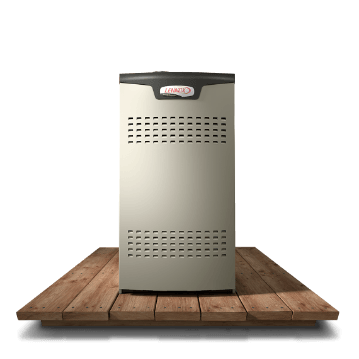
Much of the range of choices in new furnaces involve energy efficiency, reliability, and comfort. A lot has changed since the basic burner that simply pumped warm air through your home. Now, sealed burner systems, variable speed fans, and even variable intensity burners give you a lot of ways to stay warm, save on energy costs, and enjoy your new heating system. Our heating replacement team is here to explain the range of new options, or to help you focus on the best option for quick replacement if you need that. When there’s time to talk about features, you’ll discover that your energy bill can usually be a lot lower, and interestingly, your comfort can improve thanks to new technologies that keep the heating system closer to a target temperature. We can explain the various acronyms like BTU and AFUE that are carried on furnace labels, and why they can help you compare systems, but often don’t tell the whole story.
There are many considerations for a heating replacement system these days, including:
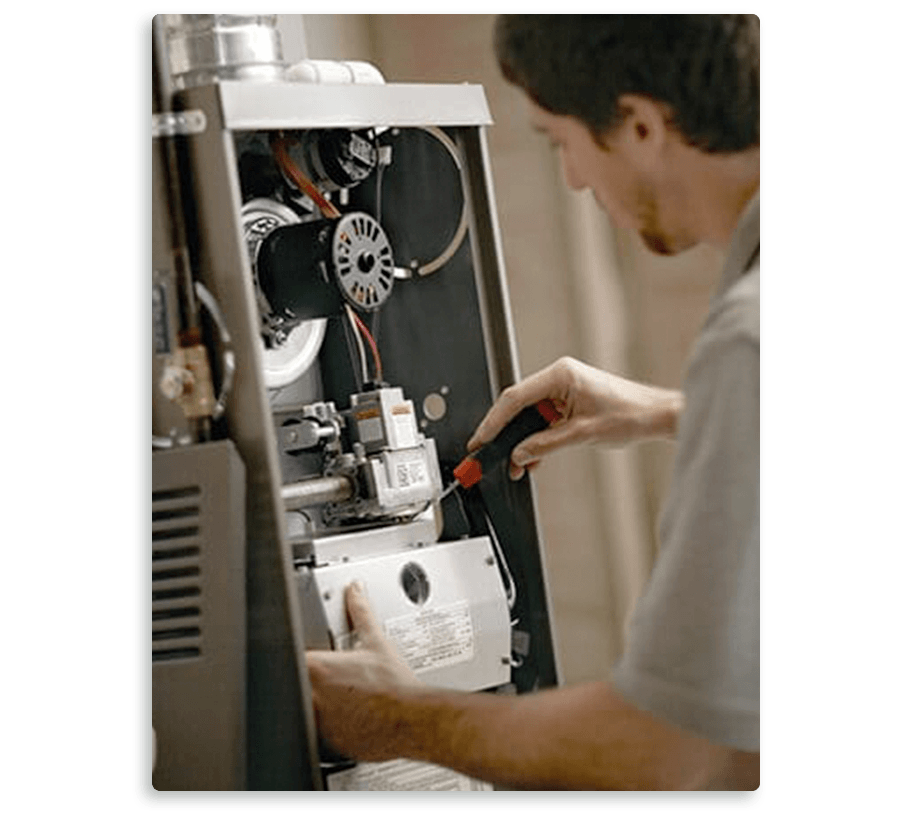
Even with our help choosing the right heating replacement and our skillful, expert heating installation assistance, there might be reasons for you to wait and live with your current system through another winter. If you only have a simple repair to get it going again, you might consider the repair for now. We can help factor in other important issues, like whether a recent inspection identified other potential repair issues, how your energy bills have been rising, and whether your system is keeping you warm and comfortable. Combined with possible incentives or financing, the increased efficiency of a new unit and the resulting change in your energy costs can be compelling.
If you have an older home, you may have had a lower efficiency burner that’s been running for a long time at what would be 50-70% efficiency by AFUE ratings. With degrading efficiency over the years, who knows what it’s doing now? AFUE, by the way, stands for Annual Fuel Utilization Efficiency, whether it’s gas, propane, or oil that’s being burned, that’s the result you’re getting for your energy costs. Now, the high end of the scale for AFUE is around 98%, which sounds amazing, and the burner and heat exchanger designs that produce that great fuel usage are definitely wonders of technology. Of course, heat exchangers put out more heat energy than the electric power they consume, so they get results of 300% or so. Typically, their top output is more limited. You can also get a boost in your overall efficiency through the variable fan speed and burner output furnace features.
Frequently Asked Questions
▶ Should I replace my furnace and air conditioner at the same time?
Many homeowners think about replacing both systems together when planning heating installation. If your air conditioner is close in age to your furnace or shows signs of wear, pairing furnace replacement with AC replacement can help everything work more smoothly and use similar efficiency levels. It also means one visit for major work instead of two separate projects, which can be easier on your schedule and your home.
▶ Will a new heating system be quieter than my old furnace?
Modern furnaces are often designed with quieter burners, better cabinet insulation, and advanced fan motors. Many Lincoln homeowners notice less blower noise and fewer start up sounds after a heating replacement, especially when an older unit is being retired. During your estimate, you can ask Environmental Heating & Air Solutions to point out models that are known for softer operation if noise is a concern for your family.
▶ Can a new furnace help with hot and cold spots in my house?
A new heating system can often improve uneven room temperatures when it is sized and set up correctly. Variable speed fans, more precise controls, and updated ductwork can help push warm air to rooms that used to lag behind. If you have certain areas that always feel chilly, mention them during your heating installation visit so the technician can look at vents, returns, and duct layout while planning your new system.
▶ Will I need to upgrade my electrical or gas lines for a new furnace?
Some heating installations are straightforward and use the existing gas and electrical connections, while others may need updates to meet current code or support new equipment. During an in home evaluation, a licensed installer checks the gas shutoff, venting, breaker panel, and wiring to see whether any changes are required. Asking Environmental Heating & Air Solutions for a detailed written proposal helps you understand what upgrades are recommended before work begins.
▶ Is it a good idea to switch from gas heat to an electric furnace or heat pump?
Switching from a gas furnace to an electric furnace or heat pump can make sense for some Lincoln homes, especially if you are focused on reducing direct gas use or taking advantage of cleaner electric power. The best choice depends on utility rates, your insulation, and how your home is built. A comfort advisor can compare options and explain how different AFUE or efficiency ratings translate into real world energy use in Placer County’s climate.
▶ How far ahead of winter should I plan my heating replacement project?
It is smart to start planning furnace replacement before the first real cold snap arrives. Scheduling a heating installation during milder weather gives you more time to review options and avoids trying to make decisions when the system has already failed. In Lincoln, many homeowners start talking with Environmental Heating & Air Solutions about new equipment toward the end of summer or early fall so the new system is ready when cooler nights show up.
▶ What happens to my old furnace when a new heating system is installed?
As part of most heating replacement projects, the old furnace is shut down, disconnected, and removed from its current location. Installers typically haul the equipment away to a proper disposal or recycling facility so you are not left with a heavy cabinet in your garage. If you prefer to keep any parts of the old system, mention that ahead of time so the crew can plan for safe removal and storage.
▶ Can I keep my existing thermostat when I install a new heating system?
Many newer thermostats can be reused with a replacement furnace, but compatibility depends on the wiring and features of the new equipment. High efficiency heaters with staging or advanced fan control sometimes need updated thermostats to take full advantage of their capabilities. During your heating installation visit, ask the technician to test your current thermostat and explain whether keeping it, reprogramming it, or upgrading it makes the most sense.
▶ Can a new heating system help my home appeal to future buyers?
A recently installed, energy conscious furnace is often a selling point for buyers who are comparing homes in Lincoln and nearby communities. Clear documentation of the installation date, model, and AFUE rating can reassure buyers that they will not need to plan for immediate furnace replacement after they move in. Working with a reputable installer like Environmental Heating & Air Solutions also makes it easier to provide records of professional installation and ongoing service when it is time to list your home.